Categorias
Novo blog.
Comparação técnica e estratégia de seleção para fabricação de equipamentos personalizados
February 27 , 2026Na fabricação de equipamentos originais, a seleção da solução de fluxo de ar correta influencia diretamente o desempenho, a durabilidade e a competitividade do produto no mercado. Seja em sistemas de climatização (HVAC), gabinetes industriais, equipamentos de energia renovável ou invólucros eletrônicos, os ventiladores são essenciais para a dissipação de calor e a ventilação. O debate sobre Fã da DC A comparação entre ventiladores CA e CA é particularmente importante para engenheiros de OEMs que precisam equilibrar custo, eficiência, confiabilidade e flexibilidade de controle.
Os projetos OEM diferem das aplicações de varejo padrão porque exigem correspondência precisa de parâmetros, longos ciclos de produção e cadeias de suprimentos estáveis. Portanto, é fundamental compreender as diferenças estruturais e operacionais entre ventiladores de ar condicionado E, para os fãs da DC, é essencial antes de tomar uma decisão de design.
Diferenças estruturais e princípios de funcionamento
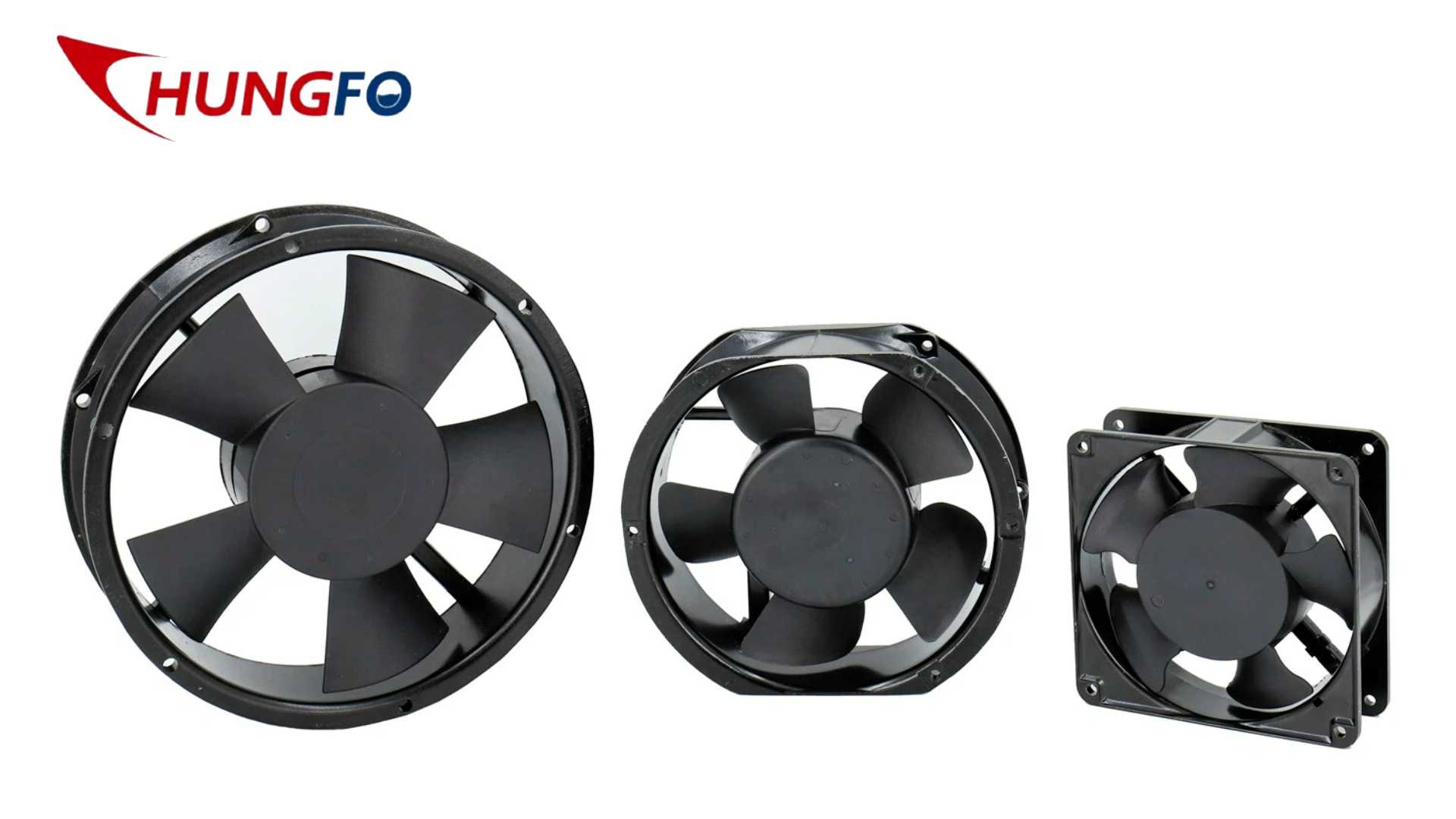
Os ventiladores CA funcionam com corrente alternada. Seus motores são tipicamente motores de indução ou motores de polos sombreados. A estrutura é relativamente simples, consistindo em enrolamentos do estator, rotor, rolamentos e impulsor. Quando conectados a uma fonte de alimentação CA, o campo magnético rotativo aciona o rotor e gera fluxo de ar. Devido à sua estrutura simples, os ventiladores CA são conhecidos por sua robustez e operação contínua e estável.
Os ventiladores CC funcionam com corrente contínua e geralmente utilizam motores CC sem escovas. Um controlador interno converte a energia de entrada e gerencia a comutação eletrônica. Esse design permite uma regulação precisa da velocidade e maior eficiência elétrica. Comparados aos ventiladores CA, os ventiladores CC contêm mais componentes eletrônicos, incluindo placas de controle e sensores, o que proporciona desempenho superior, mas aumenta a complexidade do projeto.
Para aplicações OEM, essa diferença estrutural afeta significativamente a integração do sistema. Os ventiladores CA são mais fáceis de conectar diretamente à rede elétrica padrão, enquanto os ventiladores CC são frequentemente preferidos em sistemas de baixa tensão, como equipamentos de telecomunicações, sistemas de armazenamento de baterias e eletrônicos compactos.
Eficiência energética e características de desempenho
A eficiência energética é uma das três palavras-chave principais na tomada de decisões dos fabricantes de equipamentos originais (OEMs) modernos. Os ventiladores de corrente contínua (CC) geralmente alcançam maior eficiência porque os motores sem escova reduzem as perdas mecânicas e permitem o controle de velocidade variável. Quando as condições de carga mudam, os ventiladores de CC podem ajustar a rotação por minuto (RPM) com precisão, reduzindo o consumo desnecessário de energia.
Os ventiladores CA, embora tradicionalmente menos eficientes, ainda podem oferecer um desempenho robusto em ambientes de velocidade fixa. Em grandes unidades de HVAC ou sistemas de ventilação industrial onde os ventiladores operam com carga constante, os ventiladores CA proporcionam fluxo de ar confiável com curvas de desempenho previsíveis. Para projetos OEM industriais de grande porte, essa consistência costuma ser mais importante do que ganhos marginais de eficiência.
O nível de ruído é outro fator a ser considerado. Os ventiladores CC geralmente produzem menos ruído em operação com velocidade variável. No entanto, o design otimizado das pás dos ventiladores CA e o balanceamento dinâmico também podem atingir níveis acústicos aceitáveis para a maioria dos sistemas industriais.
Estrutura de custos e considerações sobre o ciclo de vida
O custo é um fator decisivo na fabricação OEM. Os ventiladores CA geralmente têm custos unitários iniciais mais baixos devido a estruturas de motor mais simples e linhas de produção consolidadas. Para produção industrial em larga escala, essa vantagem de custo pode reduzir significativamente as despesas totais do projeto.
Os ventiladores de corrente contínua (CC), embora mais eficientes em termos energéticos, geralmente apresentam custos iniciais mais elevados devido aos controladores eletrônicos integrados e à montagem mais complexa. No entanto, em aplicações sensíveis à energia, onde a economia de eletricidade a longo prazo é importante, o custo total de propriedade pode ser mais vantajoso para a tecnologia de CC.
Os engenheiros dos fabricantes de equipamentos originais (OEMs) também devem avaliar as expectativas de manutenção. Os ventiladores CA são mecanicamente duráveis e tolerantes a flutuações de tensão. Os ventiladores CC dependem de componentes eletrônicos que exigem condições de tensão estáveis e proteção contra estresse ambiental. Em ambientes industriais severos, os ventiladores CA podem apresentar uma vida útil mais longa se as medidas de proteção forem limitadas.
Fabricantes como a China Chungfo fabricação de ventiladores Oferecemos soluções CA e CC personalizadas para atender aos requisitos específicos dos fabricantes de equipamentos originais (OEMs). Leque Chungfo da China Prestou suporte a diversas marcas de equipamentos industriais, oferecendo configurações personalizadas de fluxo de ar e voltagem com base no posicionamento do produto final.
Flexibilidade de controle e integração de sistemas
A flexibilidade de controle é a terceira palavra-chave que influencia a seleção do fabricante original (OEM). Os ventiladores CC se destacam em aplicações que exigem controle inteligente de velocidade, modulação PWM ou comunicação com sistemas de controle. Para dispositivos inteligentes, equipamentos médicos e eletrônica de precisão, os ventiladores CC se integram perfeitamente com microcontroladores.
Os ventiladores CA também podem suportar o controle de velocidade por meio de inversores de frequência externos, mas isso aumenta a complexidade e o custo do sistema. Em sistemas mecânicos mais simples, sem necessidade de controle digital avançado, os ventiladores CA continuam sendo uma opção prática e estável.
A disponibilidade de energia elétrica é outro fator importante. Em regiões onde a energia da rede elétrica CA é padrão e a conversão para CC exigiria módulos de energia adicionais, os ventiladores CA reduzem a complexidade da integração. Por outro lado, em sistemas alimentados por bateria ou energia solar, os ventiladores CC eliminam perdas de conversão desnecessárias.
Cenários de aplicação em indústrias OEM
Na produção de equipamentos de climatização (HVAC) para fabricantes de equipamentos originais (OEM), os ventiladores CA são amplamente utilizados em unidades de tratamento de ar e condensadores devido à sua operação estável e custo-benefício. Em gabinetes de telecomunicações e servidores, os ventiladores CC são preferidos por seu tamanho compacto, regulação precisa da velocidade e economia de energia.
Os equipamentos de automação industrial podem utilizar qualquer uma das tecnologias, dependendo dos requisitos de controle e das condições ambientais. Os sistemas de armazenamento de energia renovável frequentemente adotam ventiladores de corrente contínua, pois todo o sistema opera com arquitetura de corrente contínua.
Portanto, a resposta para a pergunta "Qual é melhor para projetos OEM: ventilador CC ou ventilador CA?" depende das prioridades do projeto. Se o foco for durabilidade, baixo custo inicial e compatibilidade com a rede elétrica padrão, os ventiladores CA oferecem grandes vantagens. Se a prioridade for eficiência energética, controle inteligente e integração compacta, os ventiladores CC oferecem flexibilidade superior.
Conclusão
Na comparação entre ventiladores CC e CA para projetos OEM, não existe um vencedor universal. A escolha ideal depende dos objetivos de energia, metas de custo, requisitos de controle e ambiente operacional. Os fabricantes OEM devem avaliar a demanda de fluxo de ar, a arquitetura elétrica e o custo do ciclo de vida antes de finalizar as especificações.
Ao colaborar com fornecedores experientes e realizar testes de validação de desempenho, as empresas OEM podem garantir que a tecnologia de ventoinha selecionada esteja alinhada com a estratégia de produto a longo prazo e com as expectativas do mercado.