Categorias
Novo blog.
O impacto dos tipos de rolamentos de ventiladores na vida útil
December 17 , 20251.
Em eletrodomésticos como geladeiras, secadoras e lava e seca, os ventiladores de resfriamento geralmente funcionam continuamente por longos períodos. Embora o fluxo de ar e o ruído sejam comumente discutidos, o sistema de rolamentos é frequentemente subestimado. Na realidade, o tipo de rolamento determina em grande parte a vida útil, a estabilidade e o custo de manutenção de um equipamento. Fã da DC Para os fabricantes de equipamentos, compreender as diferenças entre os rolamentos é essencial para evitar falhas prematuras e riscos pós-venda.
2.
A principal função de um rolamento de ventilador é garantir uma rotação suave, minimizando o atrito, o desgaste e o ruído. Durante a operação prolongada, os rolamentos ficam expostos a variações de velocidade, mudanças de temperatura, umidade e carga gravitacional causadas pela orientação de instalação. Um sistema de rolamentos bem projetado melhora significativamente a confiabilidade e a durabilidade.
3.
Os tipos de rolamentos mais comuns usados em ventiladores de refrigeração incluem rolamentos de bucha, rolamentos de esferas, rolamentos hidráulicos e estruturas de rolamentos híbridas ou aprimoradas. Cada tipo difere em vida útil, desempenho de ruído, custo e adequação a ambientes específicos. Um profissional fabricação de ventiladores Seleciona soluções de rolamentos com base nas condições de aplicação, em vez de oferecer uma única opção universal.
4.
Os mancais de deslizamento utilizam uma película de óleo interna para reduzir o atrito entre o eixo e a bucha. Suas vantagens incluem baixo custo e baixo ruído inicial, tornando-os adequados para produtos de baixa exigência ou com restrições orçamentárias. No entanto, em ambientes de alta temperatura ou operação contínua, a evaporação e o vazamento de óleo aceleram o desgaste, reduzindo significativamente a vida útil. Consequentemente, os mancais de deslizamento não são ideais para aplicações de resfriamento do núcleo em refrigeradores ou secadoras.
5.
Os rolamentos de esferas utilizam esferas de aço para reduzir o atrito entre os anéis interno e externo, oferecendo maior estabilidade e menor sensibilidade à orientação de montagem. Apresentam bom desempenho em altas velocidades e temperaturas elevadas, sendo adequados para ambientes exigentes. No entanto, os rolamentos de esferas geralmente geram mais ruído e são mais caros. fábrica de ventiladores de refrigeração As equipes avaliam cuidadosamente os requisitos de desempenho e acústica ao recomendar essa opção.
6.
Os mancais hidráulicos são uma versão aprimorada dos mancais de deslizamento, apresentando ranhuras especialmente projetadas que criam uma pressão de óleo estável durante a rotação. Isso reduz o contato metal-metal e melhora tanto o controle de ruído quanto a vida útil. Os mancais hidráulicos são amplamente utilizados em ventiladores CC domésticos devido ao seu desempenho equilibrado, especialmente em refrigeradores e lavadoras-secadoras que exigem operação silenciosa e de longa duração.
7.
Nos últimos anos, foram desenvolvidos designs de rolamentos híbridos e avançados que combinam as vantagens de diferentes sistemas. Esses rolamentos são frequentemente usados em aplicações de alta confiabilidade, como secadoras com bomba de calor e refrigeradores embutidos de alta qualidade. Embora mais caros, reduzem significativamente as taxas de falha ao longo do ciclo de vida do produto. Fabricantes de ventiladores qualificados podem fornecer essas soluções de rolamentos personalizadas.
8.
Fatores ambientais podem amplificar as diferenças entre os tipos de rolamentos. Alta umidade acelera a degradação do lubrificante, altas temperaturas reduzem a resistência do material e a instalação inadequada aumenta a carga sobre o rolamento. Portanto, os fabricantes de equipamentos devem avaliar a seleção de rolamentos com base nas condições reais de operação, e não apenas no tipo de rolamento.
9.
A China Chungfo Fan oferece suporte aos clientes analisando a vida útil dos rolamentos em relação à confiabilidade do sistema. Combinando simulações de condições operacionais e dados de campo, são recomendadas configurações de rolamentos adequadas para minimizar riscos a longo prazo.
10.
A vida útil de um ventilador não é um parâmetro isolado; ela resulta da interação entre o projeto do rolamento, a estrutura do motor, os materiais e o ambiente. À medida que os eletrodomésticos evoluem para maior eficiência e vida útil mais longa, a seleção do rolamento torna-se cada vez mais crítica. Compreender essas diferenças permite que os fabricantes abordem os desafios de confiabilidade logo no início do desenvolvimento do produto.
11.
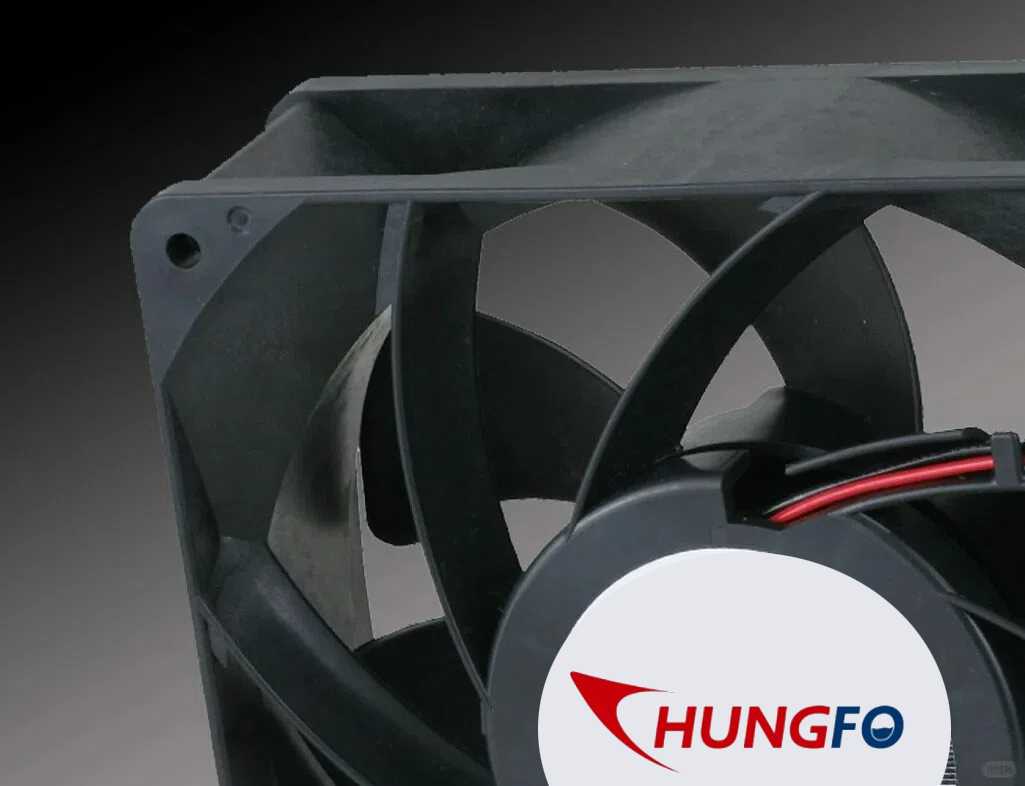
Em resumo, os mancais de deslizamento são adequados para aplicações com baixa carga, os rolamentos de esferas priorizam a estabilidade e a resistência à temperatura, os mancais hidráulicos oferecem um excelente equilíbrio entre ruído e durabilidade, e os mancais híbridos atendem às necessidades de alta confiabilidade. Escolher o tipo certo de rolamento é fundamental para garantir o desempenho a longo prazo de um ventilador CC.
12.
Durante o processo de seleção de ventiladores, trabalhar em estreita colaboração com um fabricante experiente garante que o projeto dos rolamentos — embora muitas vezes negligenciado — se torne uma base sólida para a qualidade do produto e a reputação da marca.