Categorias
Novo blog.
Base de conhecimento sobre projeto estrutural de ventiladores de eletrodomésticos
March 04 , 2026Doméstico aparelho Os ventiladores são aparelhos onipresentes, fornecendo o fluxo de ar essencial para refrigeração, ventilação e conforto em ambientes internos. Apesar de sua aparente simplicidade, o projeto estrutural de um ventilador doméstico é crucial para garantir segurança, desempenho, eficiência energética e durabilidade. Compreender os principais componentes, os princípios aerodinâmicos e os fatores de confiabilidade é fundamental para engenheiros e fabricantes de equipamentos originais (OEMs) na indústria de eletrodomésticos.
Três palavras-chave — design de componentes, eficiência do fluxo de ar e confiabilidade operacional — definem a base do design estrutural de ventiladores domésticos. Ao integrar esses aspectos, fabricantes como a China Ch A Ungfo Fan oferece produtos que equilibram conforto, segurança e desempenho a longo prazo. Possui vasta experiência em personalização. Fã da DC Estruturas para atender às diversas exigências do mercado.
Componentes Essenciais de uma Casa aparelho Fãs
Os principais componentes de uma casa aparelho Um ventilador é composto por motor, pás, carcaça, estrutura de suporte e sistema de controle. Cada um desses componentes desempenha um papel fundamental na determinação do desempenho geral.
1. Motor – O motor aciona as pás e converte energia elétrica em movimento rotacional. Dependendo do tipo de ventilador, os motores podem ser de indução CA, CC ou CC sem escovas. A escolha do motor afeta a eficiência energética, os níveis de ruído e a vida útil.
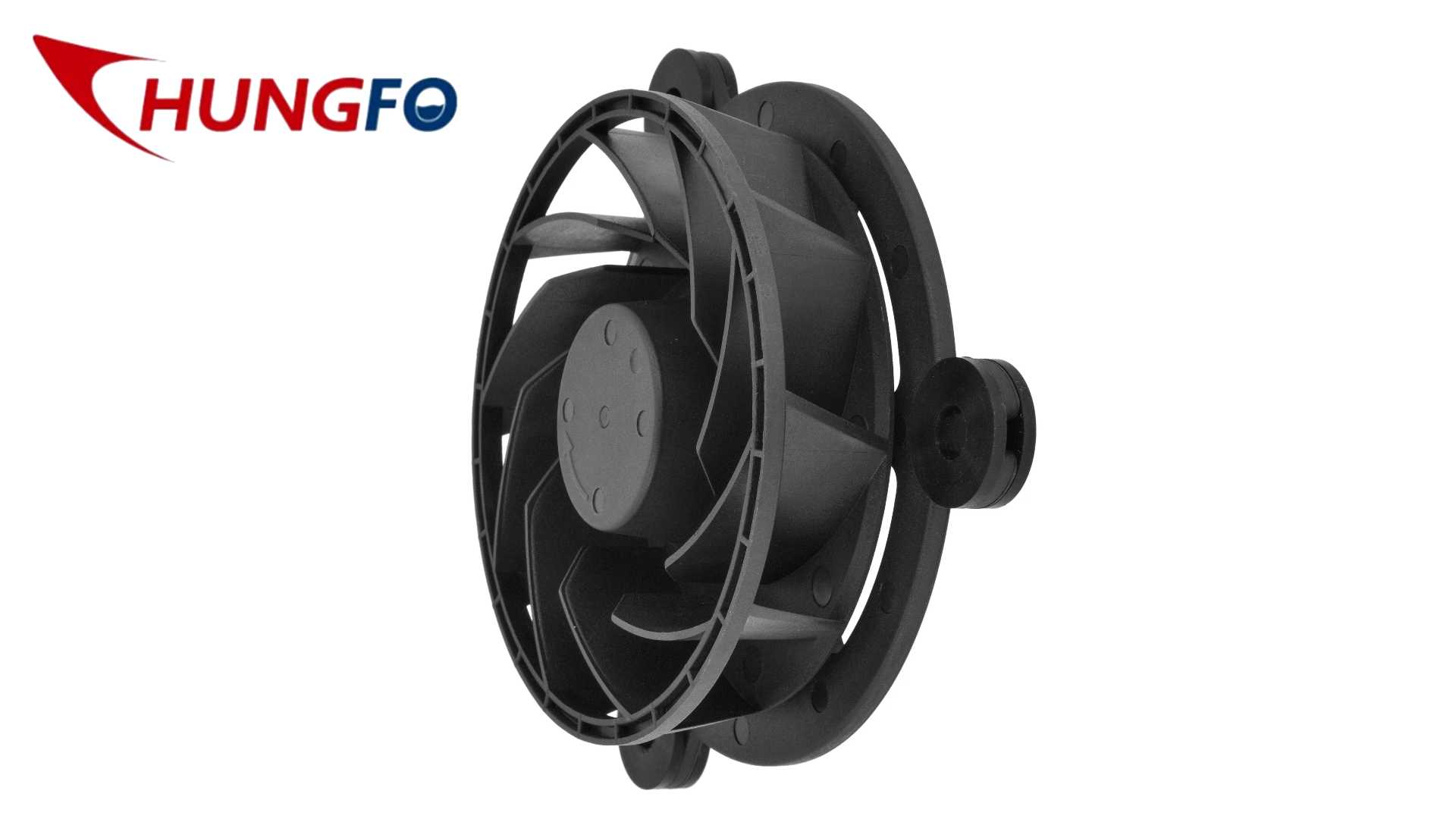
2. Pás – O design das pás influencia diretamente o fluxo de ar, o ruído e o consumo de energia. Os principais parâmetros incluem o ângulo, a inclinação, a curvatura e o material das pás. ventiladores axiais Comumente utilizadas em aplicações domésticas, a geometria das pás deve garantir uma distribuição uniforme do ar e vibração mínima.
3. Carcaça – A carcaça do ventilador oferece suporte estrutural e proteção de segurança. Ela também direciona o fluxo de ar, reduzindo a turbulência e melhorando a eficiência. As carcaças modernas geralmente integram considerações aerodinâmicas, como defletores internos, para suavizar os caminhos do fluxo de ar.
4. Estrutura de suporte e montagem – A estabilidade da ventoinha depende da estrutura de suporte e dos pontos de montagem. Uma montagem equilibrada reduz a vibração e o estresse mecânico nos componentes, contribuindo para a durabilidade a longo prazo.
5. Sistema de controle – A interface do usuário e os controles eletrônicos regulam a velocidade, a oscilação e o tempo. Controles inteligentes, como operação remota ou configurações de velocidade variável, melhoram a conveniência do usuário, mantendo a eficiência energética.
Princípios aerodinâmicos no projeto de pás e carcaças
A eficiência do fluxo de ar é a segunda palavra-chave crítica no projeto de ventiladores domésticos. A geometria das pás e da carcaça determina a taxa de fluxo de ar, a pressão e as características de ruído.
O formato das pás deve equilibrar as forças de sustentação e arrasto para maximizar o fluxo de ar sem consumo excessivo de energia. Pás curvas podem reduzir a turbulência e minimizar a formação de vórtices, o que também diminui o ruído operacional. O material das pás, geralmente plástico leve ou alumínio, afeta a inércia e as características de vibração.
O design da estrutura também influencia o fluxo de ar. Grades de proteção, mecanismos oscilantes e canais internos são projetados para direcionar o ar de forma eficaz, mantendo os padrões de segurança. Simulações de dinâmica de fluidos computacional (CFD) são comumente usadas em projetos avançados para prever padrões de fluxo de ar e otimizar a eficiência.
A China Chungfo aplica esses princípios aerodinâmicos em seus ventiladores domésticos para alcançar alto fluxo de ar com o mínimo de ruído e consumo de energia. A empresa enfatiza a integração da eficiência do fluxo de ar com um design compacto para ambientes residenciais urbanos.
Controle de ruído e gerenciamento de vibração
A confiabilidade operacional é a terceira consideração fundamental. Os ventiladores domésticos devem funcionar de forma silenciosa e segura, mantendo a integridade mecânica ao longo dos anos de uso.
O ruído surge da rotação das pás, da turbulência, do funcionamento do motor e da vibração mecânica. Para minimizar a emissão acústica, os engenheiros consideram o balanceamento das pás, o alinhamento do eixo, a seleção dos rolamentos e o amortecimento do motor. Montagens antivibração e balanceamento dinâmico são práticas padrão no projeto de ventiladores modernos.
A confiabilidade a longo prazo também exige atenção à dissipação de calor do motor e ao desgaste das peças móveis. Ventilação adequada dentro da carcaça, materiais duráveis e rolamentos que não necessitam de manutenção garantem uma vida útil prolongada.
Seleção de Materiais e Conformidade com as Normas de Segurança
Os materiais utilizados na construção de ventiladores devem atender aos padrões de segurança, ao mesmo tempo que contribuem para o desempenho. Plásticos retardantes de chamas, revestimentos resistentes à corrosão e componentes elétricos isolados são comuns. Para peças oscilantes ou rotativas, materiais leves e de alta resistência melhoram a eficiência energética, mantendo a durabilidade.
As certificações de segurança, incluindo classificações IP e normas de conformidade elétrica, são essenciais para garantir a proteção do usuário e a confiabilidade do produto. A empresa incorpora testes rigorosos e procedimentos de controle de qualidade para atender aos padrões internacionais de eletrodomésticos. Ela utiliza inovação em materiais e otimização estrutural para criar designs de ventiladores confiáveis e seguros.
Tendências emergentes no setor doméstico aparelho Design de leque
Os ventiladores domésticos estão evoluindo com a integração de casas inteligentes, padrões de eficiência energética e considerações de design ergonômico. Recursos como operação controlada por aplicativo, ajuste automático de velocidade com base na temperatura ambiente e ventoinha sem escovas de baixo ruído Os motores estão se tornando comuns.
Os avanços em simulação e fabricação permitem a criação de pás e carcaças projetadas com precisão, que otimizam o fluxo de ar, reduzem o consumo de energia e melhoram o conforto do usuário. Design compacto, modularidade e apelo estético também desempenham um papel significativo no desenvolvimento de ventiladores domésticos modernos.
Conclusão
Um conhecimento profundo do funcionamento do lar aparelho O projeto estrutural de ventiladores envolve a seleção de componentes, princípios aerodinâmicos e gerenciamento de confiabilidade. A integração desses três aspectos garante alto desempenho, eficiência energética e durabilidade a longo prazo.
Fabricantes como a China Chungfo demonstram o valor da engenharia precisa e da otimização de materiais, continuando a fornecer soluções personalizadas para ventiladores domésticos, garantindo que os produtos atendam às expectativas dos usuários em termos de conforto, segurança e eficiência, ao mesmo tempo que se adaptam às tendências de mercado em constante evolução.